
Introduction
As a business grows, so does the manual work: copying orders between systems, updating spreadsheets, chasing approvals over chat and building the same reports every week. Off-the-shelf tools cover part of it, but the gaps between them are usually filled by people doing repetitive work by hand.
The hidden cost of manual work
Ten minutes of copy-paste per order seems small until it is multiplied by hundreds of orders a month. Manual processes also cause typing errors, delays and knowledge that lives in one person's head, which makes it hard to grow without hiring more admin staff.
What custom software automates
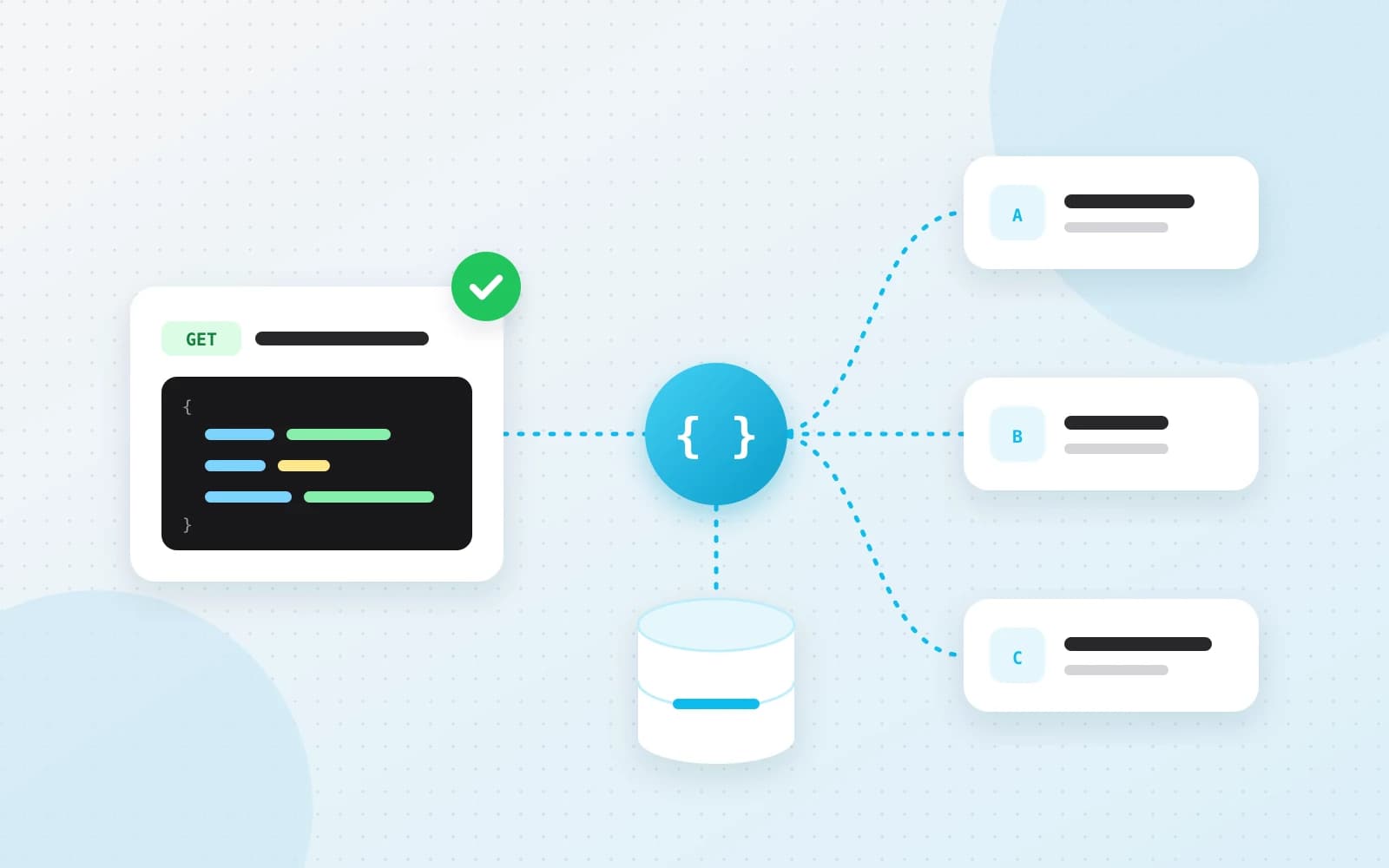
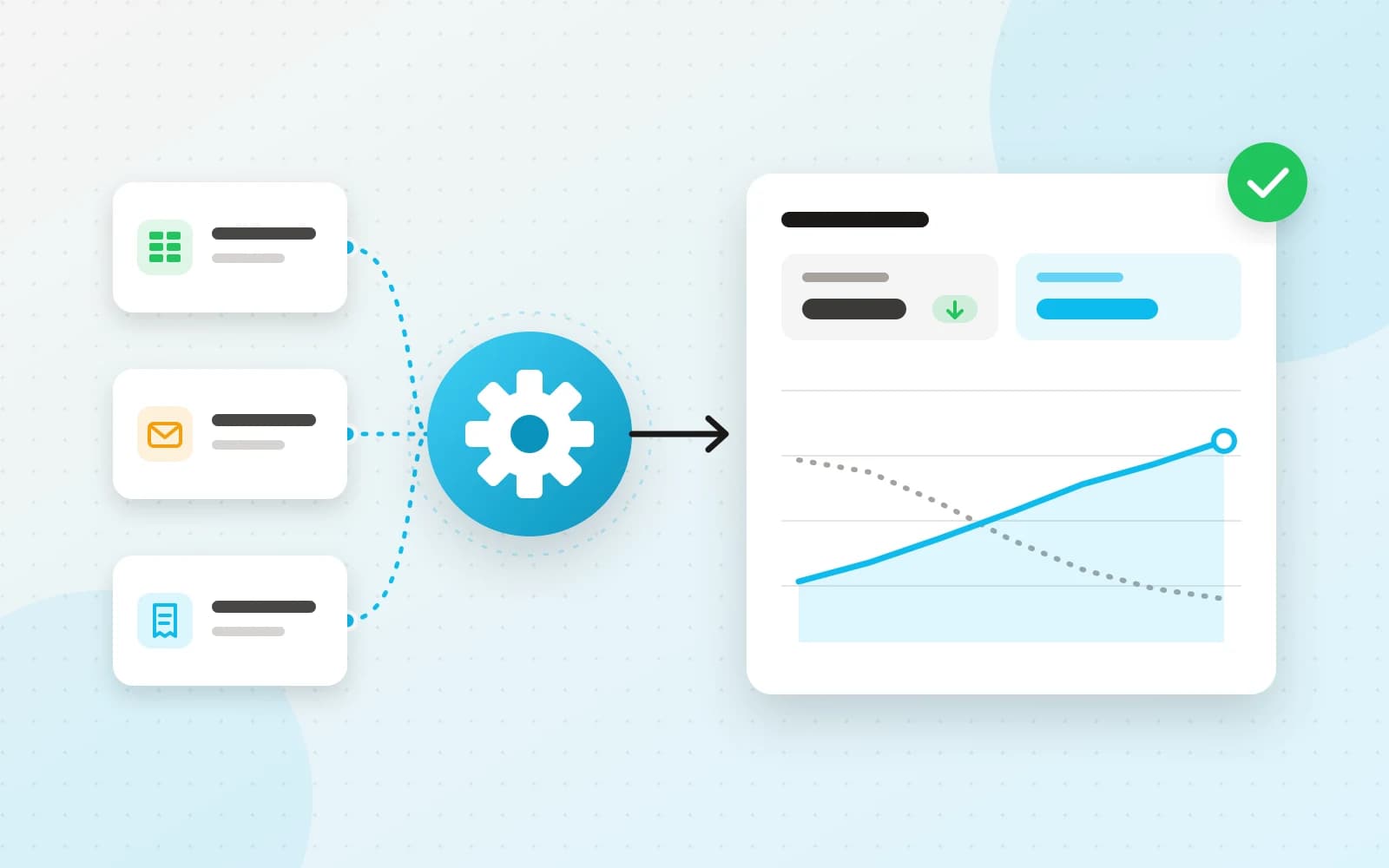
Custom software is built around the way your team already works. It can bring orders, invoices and stock into one place, trigger approvals and notifications automatically, generate reports in real time and connect the tools you already use through APIs.
Where to start
- 01Map one process from start to finish and note every manual step and hand-off.
- 02Estimate how many hours each step takes per week and pick the most time-consuming ones.
- 03Check which of your existing tools have APIs a custom system can connect to.
- 04Start with a small first version that automates one workflow, then expand.
- 05Track hours saved and error rates after launch to measure the return on investment.
Conclusion
Custom software is not about replacing every tool you use; it is about removing the busywork between them. Start with the process that costs your team the most time, and let the results guide what to automate next.